7 Fitness Habits to Transform Your Health in 2026 | Garmin UAE

7 Fitness Habits to Transform Your Health in 2026 | Garmin UAE


Starting fresh this year? You're not alone. January brings that familiar surge of motivation, but let's be honest, most resolutions fizzle out by February.

The difference between fleeting enthusiasm and lasting change comes down to building sustainable habits, then tracking your progress with precision.

Your Garmin isn't just counting steps. It's your personal trainer, sleep analyst, and recovery coach rolled into one.

Here's how to pair proven fitness habits with the technology that makes them stick.


1. Prioritize Recovery Through Quality Sleep

Poor sleep sabotages everything. Your workout intensity drops, cravings spike, and motivation disappears.

Yet most people treat sleep as an afterthought, something that happens between their evening scroll and morning alarm.

The fix starts with consistency. Same bedtime, same wake time, even on weekends. Your body craves rhythm.

Your Garmin Insight Garmin's Sleep Score breaks down your night into sleep stages, measuring how much time you spend in light, deep, and REM sleep.

You'll spot patterns fast, like how that 9 PM coffee ruins your deep sleep, or why you wake up groggy despite sleeping eight hours.

The score updates each morning, giving you actionable feedback on your recovery quality.


2. Build Cardiovascular Endurance Gradually

Cardiovascular fitness determines how efficiently your heart delivers oxygen to working muscles.

Better endurance means you can train harder, recover faster, and manage daily stress with ease.

But here's the trap: jumping into intense cardio too quickly leads to burnout or injury. Progress happens in the aerobic zone that sustainable pace where you can hold a conversation while moving.

Measure Your Progress

Your VO2 Max reading tells you exactly where your cardiovascular fitness stands compared to others your age.

Garmin calculates this during runs, cycles, or swims by analyzing your heart rate against pace and elevation.

Watch this number climb as you build consistency, proving that your training actually works.


3. Incorporate Strength Training Twice Weekly

Muscle isn't just about aesthetics. It's your metabolic engine, bone protector, and injury prevention system.

After age 30, you lose muscle mass naturally unless you actively work against it.

Two quality strength sessions per week can reverse this decline.

Focus on compound movements: squats, deadlifts, presses, rows.

These engage multiple muscle groups and deliver maximum return on your time investment.

How Garmin Helps Garmin's Strength Training Activity logs your exercises, sets, and reps while monitoring your heart rate zones.

The rep counter detects your movement patterns automatically, so you can focus on form instead of manually tracking numbers.

Review your workout summary to see which muscle groups you've hit and ensure balanced development.


4. Master Your Heart Rate Zones

Most people train too hard on easy days and too easy on hard days.

This middle ground leads to chronic fatigue without real fitness gains.

The solution? Training in specific heart rate zones. Your easy runs should feel genuinely easy, a conversational pace where your heart rate stays in Zone 2.

Your interval work should push into Zone 4 or 5, followed by complete recovery.

Train Smarter Garmin calculates your personalized Heart Rate Zones based on your maximum heart rate and fitness level.

During any activity, glance at your watch to confirm you're in the right zone.

Over time, you'll notice your pace increases while your heart rate stays the same, proof that you're getting fitter.


5. Listen to Your Body's Recovery Signals

Training breaks you down. Recovery builds you back up stronger. Skip recovery, and you're just accumulating damage.

The challenge? Your mind often lies to you. You feel fine, so you push hard again.

Meanwhile, your nervous system is depleted, your sleep quality has dropped, and you're primed for illness or injury.

Know When to Push Body Battery monitors your energy reserves by analyzing heart rate variability, stress, sleep quality, and activity levels.

Wake up to a number between 0 and 100 that tells you whether today's a day to push hard or dial it back.

Training when your battery is charged leads to better performance and faster progress.


6. Walk More, Move Better Formal workouts matter, but they're just one hour out of 24.

What you do the other 23 hours shapes your metabolism, joint health, and overall well-being more than you realize.

Walking is the most underrated fitness tool. It burns calories without taxing your recovery, clears your mind, improves circulation, and requires zero equipment. The challenge? Most people have no idea how much (or little) they actually walk each day.

Ten thousand steps became the gold standard, but that number isn't magic.

What matters is moving more than you did yesterday, then building from there.

Park further away. Take phone calls while walking. Add a 15-minute evening stroll.

Count Every Step Your Garmin's step counter runs continuously, giving you real-time feedback on your daily totals.

Check your progress throughout the day and adjust; if you're at 3,000 steps by noon, you know you need to move more after dinner.

The data shows patterns: weekdays versus weekends, active months versus sedentary ones.

Set a realistic daily goal, then gradually increase it as walking becomes automatic.


7. Train According to What Your Body Needs Today

The biggest training mistake? Winging it. You hit the gym without a plan, repeat the same comfortable workouts, and wonder why progress stalls.

Or you go the opposite direction, following a rigid program that ignores how your body feels today.

What you need is a dynamic approach that adapts to your current fitness level, recent training load, and recovery status.

A program that pushes you when you're fresh and pulls back when you're drained.

Most people lack the expertise to program this themselves. They don't know whether today calls for intervals, tempo runs, easy distance, or complete rest.

So, they guess, and guessing leads to overtraining or undertraining.

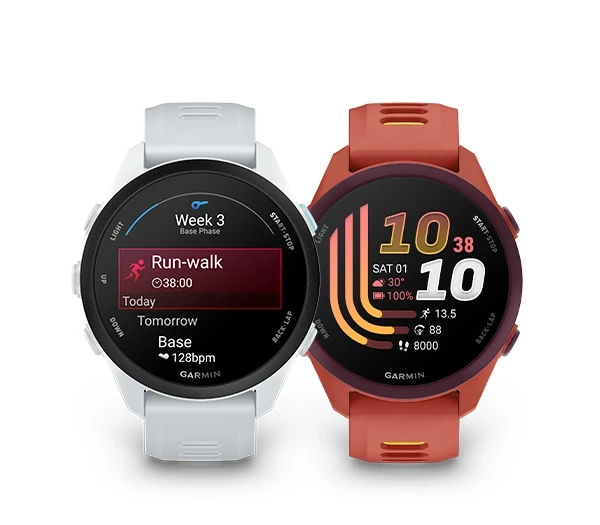
Get Personalized Guidance Garmin's Daily Suggested Workouts solve this problem by generating personalized training plans that evolve with you.

Based on your training history, fitness level, and recovery metrics, your watch recommends a specific workout each day, complete with duration, intensity targets, and heart rate zones.

Running, cycling, strength training, or whatever your focus is on, you get a science-backed workout designed for today's version of you.

Just follow the plan, complete the workout, and let the algorithm adjust tomorrow's session based on how you performed.

Your Garmin Does the Math, You Do the Work

Technology can't do your push-ups or run your miles. But it can eliminate guesswork, quantify progress, and keep you honest when motivation dips.

The habits above work because they're measurable and sustainable. You're not relying on how you "feel" or guessing whether you're improving.

Your Garmin gives you numbers, trends, and insights that turn vague intentions into concrete action plans.

Set up your device. Choose one or two habits to focus on first. Check your metrics weekly, not obsessively. Adjust based on what the data reveals.

Ready to find the perfect Garmin companion for your fitness journey? Explore our range of wellness and fitness products designed to match your goals and lifestyle.

Get product news and promotions based on your preferences and registered devices.Learn about email privacy.